Showing posts with label Food. Show all posts

Friday, October 31, 2014

What Does 200 Calories Look Like?

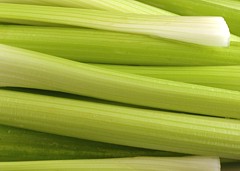
200 Calories of Celery
Celery
1425 grams = 200 Calories
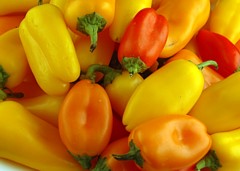
200 Calories of Mini Peppers
Mini Peppers
740 grams = 200 Calories
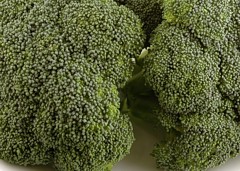
200 Calories of Broccoli
Broccoli
588 grams = 200 Calories
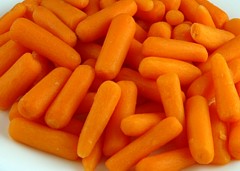
200 Calories of Baby Carrots
Baby Carrots
570 grams = 200 Calories
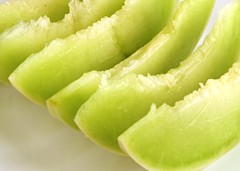
200 Calories of Honeydew Melon
Honeydew Melon
553 grams = 200 Calories
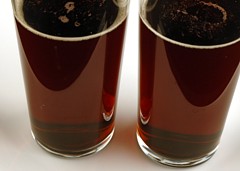
200 Calories of Coca Cola
Coca Cola
496 ml = 200 Calories
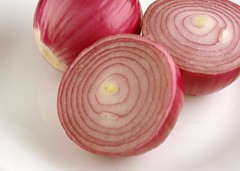
200 Calories of Red Onions
Red Onions
475 grams = 200 Calories
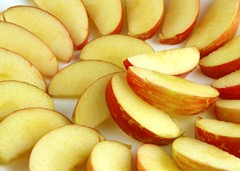
200 Calories of Apples
Apples
385 grams = 200 Calories
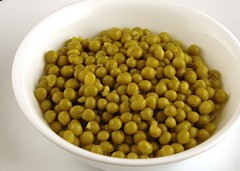
200 Calories of Canned Green Peas
Canned Green Peas
357 grams = 200 Calories

Sunday, November 18, 2012

Extraordinary chocolate

In Berlin, held every autumn exhibition “Import Shop”, in which manufacturers and retailers from around selling all sorts of crafts and etnotovary. In today’s entry we will not talk about the exhibition itself, which, by the way, I did not like, and only about one sweet rig. Italians brought to the exhibition is unusual chocolate making, which in my personal ranking of chocolate souvenirs immediately got to the top line. And to continue the theme, I’ll show chocolate counters of department store KaDeWe. Enjoy!


Wednesday, May 16, 2012

Souvlaki is still king despite crisis


Souvlaki, the undisputed king of Greece’s street food, has yet to feel the bite of the debt-wracked nation’s financial crisis.
Despite a steady drop in the country’s fast-food business since 2009, when the debt crisis started to unfold, the number of souvlaki joints, known among locals as “souvlatzidika,” has actually grown, Kathimerini understands.
Greeks reportedly consume an estimated 3 billion souvlakia, comprising small pieces of meat grilled on a skewer, every year. Greeks reportedly spend a total 2.5 billion euros on souvlakia per year.
Between 1992 and 2008, the local fast-food industry grew at an average of 15.2 percent each year as souvlaki, pizza and snack/sandwich shops proliferated and armies of food delivery bikes roamed city streets.
Recent figures released by ICAP show the economic crisis has caused an annual 4 percent drop in the sector. However, independent local outlets appear to be the most resistant to the downturn. Experts say success is mostly thanks to the small number of staff -- in most cases the owner plus a few family members -- which has allowed these businesses to maintain large profit margins. New souvlaki joints keep springing up, even in the relatively more expensive areas such as the capital’s central Kolonaki district.
Intense competition however does not seem to have come with better quality. The majority of outlets rely on a small number of suppliers and this inevitably leaves a uniform taste in the mouth, one businessman explains.
“In the past, souvlatzidika owners used to buy meat and prepare the gyros themselves. Now most of them buy the meat after it’s already been put on the stick or the spit,” the man, who asked that his name not be used, said. “About two dozen meat processing companies basically serve all of Attica. The taste will inevitably be uniform,” he said, adding that most of the pita bread and fries are readymade.
Economies of scale have had a similar impact on the local pastry business, as most cheese and spinach pies are prepared by a few wholesale bakeries. “Soon salads will also be subjected to the trend,” the businessman said.


Source
ekathimerini.com , Friday February 10, 2012 (22:58)  
Related Posts Plugin for WordPress, Blogger...